
 Magyar
 Deutsch
 Español
 Français
 Nederlands
 Polski
 Čeština
 Italiano
 Português
 日本語
日本語 Svenska
 Suomi
Suomi Slovenščina
 |
"Those who jump around in tight spandex pants with hair like this and hold their guitars like that... they're not it. You know... those who have a cigarette in their mouth like this... Because imitating earlier rock doesn't make rock and roll immortal."
- Elvis Costello - |
 |
A brutally honest documentary chronicling four decades of NOFX’s career, exploring the music, chaos, and contradictions behind one of punk rock’s most outspoken bands. Through firsthand accounts and unseen moments, the film reveals a story that is as reckless and funny as it is personal.
|
 |
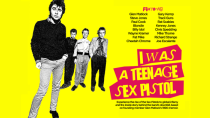
Based on the novel by Glen Matlock, a founding member of the Sex Pistols and co-writer of ten of the twelve iconic songs on their sole studio album, 'NEVER MIND THE BOLLOCKS'. Matlock details the mindset of early 70s Britain and reveals a trove of secrets
|
 |
Documentary about the Slovenian punk movement (1977–1985): the rebellion of high school bands against the Yugoslav communist regime. As Tito was dying, an explosive counterculture emerged in Ljubljana, which the authorities tried to crush through repression and the infamous “Nazi punk affair”.
|
 |
A group of youths band together to break out of their hopeless small town. The story is inspired by Rancid and the '90s East Bay punk scene.
|
 |
Late seventies, Poland. In a backwater town, Ustrzyki Dolne, a few teenagers form a punk rock band under the influence of the Sex Pistols. When Radio Free Europe starts a program for them following their letter, the communist secret service also takes notice of their rebellion. An officer makes it clear to them: Ustrzyki Dolne is not London, there will be no punk here.
|

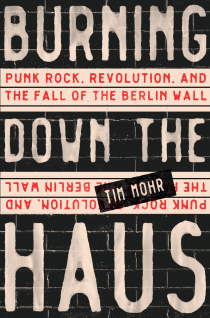
 It began with a handful of East Berlin teens who heard the Sex Pistols on a British military radio broadcast to troops in West Berlin, and it ended with the collapse of the East German dictatorship. Punk rock was a life-changing discovery. The buzz-saw guitars, the messed-up clothing and hair, the rejection of society and the DIY approach to building a new one: in their gray surroundings, where everyone’s future was preordained by some communist apparatchik, punk represented a revolutionary philosophy—quite literally, as it turned out.But as these young kids tried to form bands and became more visible, security forces—including the dreaded secret police, the Stasi—targeted them. They were spied on by friends and even members of their own families; they were expelled from schools and fired from jobs; they were beaten by police and imprisoned. Instead of conforming, the punks fought back, playing an indispensable role in the underground movements that helped bring down the Berlin Wall.This secret history of East German punk rock is not just about the music; it is a story of extraordinary bravery in the face of one of the most oppressive regimes in history. Rollicking, cinematic, deeply researched, highly readable, and thrillingly topical, BurningDown the Haus brings to life the young men and women who successfully fought authoritarianism three chords at a time—and is a fiery testament to the irrepressible spirit of revolution.
Comments |
Events
  BP Underground - Hardcore/punk BP Underground - Hardcore/punkChinatown Punk Wars Distorted: Reflections on early Sydney punk E.D.O. Voces de revolución For Being Alive Italian Punk Hardcore 1980-1989 Here to Be Heard: The Story of the Slits Hype! Punk Rock Vegan Movie Punk Can Take It Punk Tegendraads Redson Nos Tempos do Cólera Risen - The Story of Amebix Rock 'N' Roll High School She's a Punk Rocker UK Shellshock Rock Smithereens The Decline of Western Civilization The Decline of Western Civilization III The Epitaph Story The Harder They Come You Weren't There - A History of Chicago Punk 1977 to 1984 Viva Viva Latest News
  YouTube |



Sponsors



Copyright © 2007 - 2026 PunkFilms. All rights reserved.

