Magyar
 Deutsch
 Español
 Français
 Nederlands
 Polski
 Čeština
 Italiano
 Português
 日本語
日本語 Svenska
 Suomi
Suomi Slovenščina

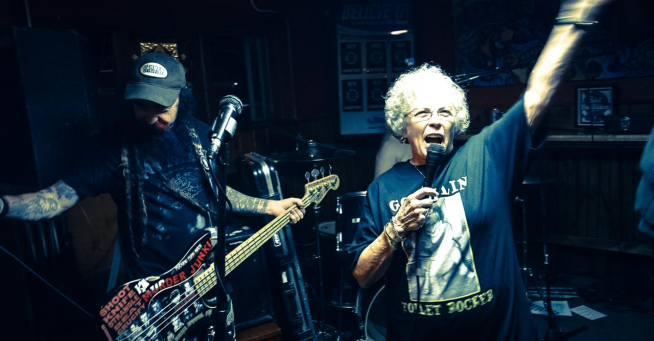







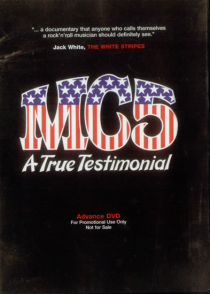
MC5 was not just a band, but a meeting point of Detroit's industrial power, rebellious youth, and radical politics. As stated in the document: "This is the apotheosis of Detroit culture."
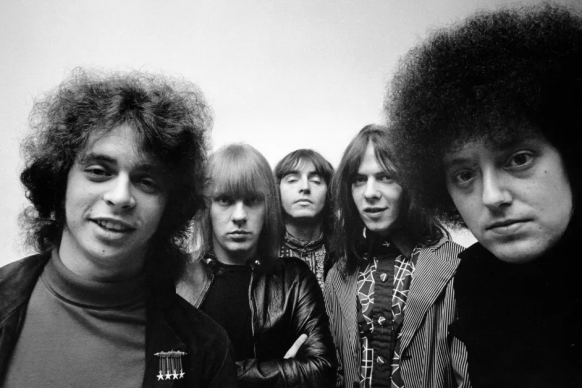
1. Formation and the "Shop Rat" identity
The band's roots date back to 1963, in Lincoln Park, Michigan. The two founding guitarists, Wayne Kramer and Fred "Sonic" Smith, were childhood friends connected by speed, energy, and rock and roll (Chuck Berry, Dick Dale).
- Origin of the name: The name was coined by singer Rob Tyner. He wanted a name that sounded like a serial number of a part (e.g., a carburetor). MC stood for "Motor City" (Detroit's nickname), and the 5 for the number of members. This fit perfectly with the city where everyone's parents worked in car factories.
- Working-class escape: The members grew up as "shop rats" (factory rats). For them, the band was the only alternative to dead-end factory work. According to Kramer, if they hadn't found rock, they probably would have been criminals.
- The legendary trio: The internal dynamic was established by a 1964 parking lot fight between Tyner and Smith. When Smith couldn't defeat Tyner by force, they realized that instead of physical power, intellectual and musical community ("symbiosis") was the way forward.
2. Musical style: Where "Hot Rod" meets Free Jazz
MC5's sound was unique in the late 60s. They drew a parallel between the roar of a 400-horsepower hot rod car and a loud electric guitar.
- Influences: Although they started with blues-rock, they were deeply inspired by free jazz (John Coltrane, Sun Ra, Archie Shepp). They tried to imitate the screaming, ecstatic sound of saxophones on guitars.
- "Black to Comm": This early song (whose title comes from the colors of the PA system wires: Black to Common) was built on a gigantic, buzzing riff capable of emptying a room in 30 seconds. This was the moment they realized they had stumbled into something radically new.
3. Politics and the White Panthers
The band's fate became intertwined with poet and activist John Sinclair, who became their manager. Sinclair radicalized the band, and they created the White Panther Party (to support the Black Panthers).
- 1968, Chicago: MC5 was the only band that stood up and played at the anti-Vietnam War protests during the Democratic National Convention, while the police brutally beat the crowd around them.
- The performances: Their stage show was provocative: they often performed with unloaded rifles, and at the end of the concert, an invisible "sniper" would symbolically shoot Tyner.
4. Kick Out the Jams: Scandal and fall
MC5's first album, Kick Out the Jams (1969), broke tradition: instead of a studio recording, they recorded a live concert at Detroit's Grande Ballroom to convey raw energy.
- The "Motherfucker" incident: Due to the infamous opening of the title track ("Kick out the jams, motherfuckers!"), the Hudson's department store chain boycotted the album. The band responded with an ad: "Fuck Hudson's!". Since the ad included the logo of their label, Elektra, the label immediately fired them.
- Decline: Although they moved to Atlantic Records and released two excellent studio albums (Back in the USA, High Time), drug use, political pressure, and commercial failures led to the band's breakup in 1972.
5. Legacy (Impact on rock music)
MC5 is now considered one of the most important precursors of punk rock (proto-punk).
- The invention of punk: According to Tom Morello (Rage Against the Machine), they essentially invented punk rock. Without them, the Stooges, the Ramones, or the Clash wouldn't have sounded the way they did.
- Raw energy: They showed that music can be collective consciousness-liberation and a political weapon. They brought an intensity to the stage that was unprecedented at the time.
- Afterlife: Although most members (Tyner, Smith, Davis, Kramer, Thompson) have passed away, the band's significance has been recognized: in 2024, they were inducted into the Rock and Roll Hall of Fame. Their final album, Heavy Lifting, was released posthumously in October 2024.
The story of MC5 is about freedom and resistance. As Wayne Kramer puts it: "The band's goal was to bring people together, free minds, and reject the political establishment." They started from Detroit's smoky factory districts and ultimately changed the DNA of rock music.