Magyar
 Deutsch
 Español
 Français
 Nederlands
 Polski
 Čeština
 Italiano
 Português
 日本語
日本語 Svenska
 Suomi
Suomi Slovenščina





A BRIEF HISTORY OF CRASS
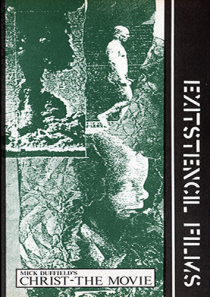
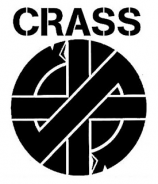
Crass was an English anarcho-punk band and art collective formed in 1977 in Epping, Essex. Members included Steve Ignorant, Penny Rimbaud, Gee Vaucher, N.A. Palmer, Phil Free, Pete Wright, Eve Libertine, Joy De Vivre, Mick Duffield, John Loder, and Steve Herman. Crass promoted anarchism not just as a political ideology, but as a lifestyle and resistance movement. They played a significant role in initiating the anarcho-punk movement and supported causes such as direct action, animal rights, feminism, anti-fascism, and environmentalism. They were famous for their DIY (do-it-yourself) approach, exercising total creative control over their releases through their own label, Crass Records.
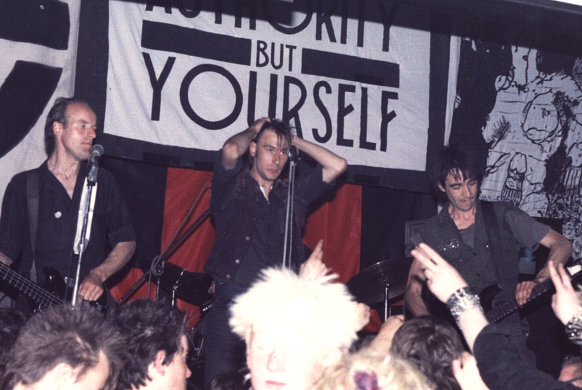
The band members performed in black, military-style clothing, and their stage backdrops combined various power symbols – such as the cross, swastika, Union Jack, and ouroboros. Crass often criticized the punk subculture itself as well as youth culture. Their first record, The Feeding of the 5000, was released in 1978, but was censored due to the blasphemous content of one song, which prompted them to start their own label. Later albums like Stations of the Crass (1979), Penis Envy (1981), and Christ – The Album (1982) all had a significant impact on the punk and alternative music scenes.
Crass frequently used sound collages, poetry, improvisation, and avant-garde elements in their music and art. Several members were inspired by classical music, free jazz, and avant-garde composers such as John Cage and Stockhausen. The band was also involved in direct political actions, including graffiti, leaflets, organizing squats, and supporting political events. One of Crass''s most famous scandals was "Thatchergate": they created a fake recording of a conversation between Margaret Thatcher and Ronald Reagan, which was taken seriously by both the British and American governments.
The band disbanded in 1984, partly due to internal disagreements and legal problems. After the breakup, some members continued artistic and political activities in formations such as Crass Collective, Crass Agenda, and Last Amendment. Crass''s visual identity was mainly created by Gee Vaucher, who produced collages and paintings for the record covers, which were later featured in exhibitions. The band''s legacy is significant: it influenced the anarchist movement, the peace movement, and numerous later punk and alternative bands, such as Fugazi or Neurosis.
According to Crass philosophy, "there is no authority but yourself," and they preached this self-determination and individualism in all their activities. Their records and publications still enjoy cult status today, and Crass remains a defining name in the history of punk.
Crass was an English anarcho-punk band and art collective formed in 1977 in Epping, Essex. Members included Steve Ignorant, Penny Rimbaud, Gee Vaucher, N.A. Palmer, Phil Free, Pete Wright, Eve Libertine, Joy De Vivre, Mick Duffield, John Loder, and Steve Herman. Crass promoted anarchism not just as a political ideology, but as a lifestyle and resistance movement. They played a significant role in initiating the anarcho-punk movement and supported causes such as direct action, animal rights, feminism, anti-fascism, and environmentalism. They were famous for their DIY (do-it-yourself) approach, exercising total creative control over their releases through their own label, Crass Records.
The band members performed in black, military-style clothing, and their stage backdrops combined various power symbols – such as the cross, swastika, Union Jack, and ouroboros. Crass often criticized the punk subculture itself as well as youth culture. Their first record, The Feeding of the 5000, was released in 1978, but was censored due to the blasphemous content of one song, which prompted them to start their own label. Later albums like Stations of the Crass (1979), Penis Envy (1981), and Christ – The Album (1982) all had a significant impact on the punk and alternative music scenes.
Crass frequently used sound collages, poetry, improvisation, and avant-garde elements in their music and art. Several members were inspired by classical music, free jazz, and avant-garde composers such as John Cage and Stockhausen. The band was also involved in direct political actions, including graffiti, leaflets, organizing squats, and supporting political events. One of Crass''s most famous scandals was "Thatchergate": they created a fake recording of a conversation between Margaret Thatcher and Ronald Reagan, which was taken seriously by both the British and American governments.
The band disbanded in 1984, partly due to internal disagreements and legal problems. After the breakup, some members continued artistic and political activities in formations such as Crass Collective, Crass Agenda, and Last Amendment. Crass''s visual identity was mainly created by Gee Vaucher, who produced collages and paintings for the record covers, which were later featured in exhibitions. The band''s legacy is significant: it influenced the anarchist movement, the peace movement, and numerous later punk and alternative bands, such as Fugazi or Neurosis.
According to Crass philosophy, "there is no authority but yourself," and they preached this self-determination and individualism in all their activities. Their records and publications still enjoy cult status today, and Crass remains a defining name in the history of punk.