Magyar
 Deutsch
 Español
 Français
 Nederlands
 Polski
 Čeština
 Italiano
 Português
 日本語
日本語 Svenska
 Suomi
Suomi Slovenščina


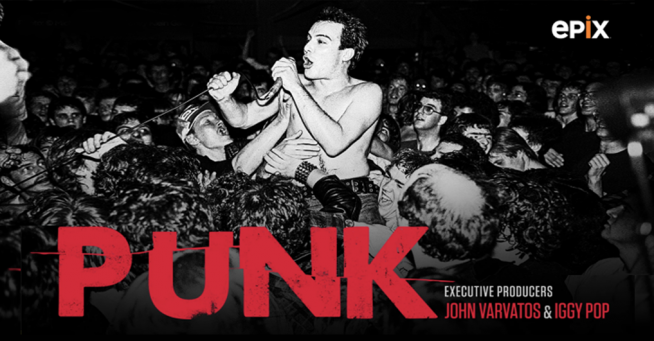





Few bands in music history can claim to have been as radically ahead of their time as The Stooges from Ann Arbor, Michigan. While the world in the late sixties was loud with the "Summer of Love" and hippie ideals, The Stooges unleashed something much darker, rawer, and more dangerous upon the world. They became the most important pioneers of "proto-punk": without them, there would be no Sex Pistols, Ramones, or Nirvana.
The Beginnings: Vacuum Cleaners and Peanut Butter
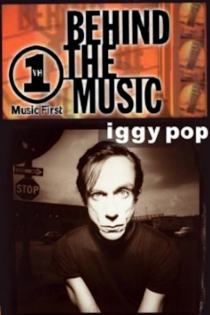
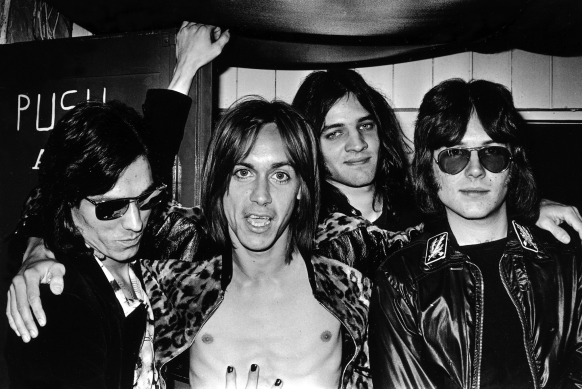
The band formed in 1967. Singer James Osterberg (stage name Iggy Pop) had previously played as a drummer in local blues and garage rock bands. He was joined by the Asheton brothers – Ron (guitar) and Scott (drums) – and Dave Alexander (bass).
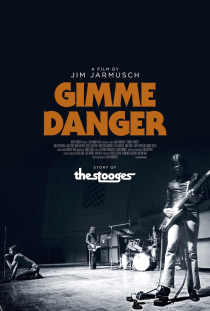
In the early days, when they still went by the name The Psychedelic Stooges, their performances were more like avant-garde performances than traditional concerts. Iggy loved using household appliances – such as vacuum cleaners or blenders – to create a feedback-heavy, noisy sound. Scott Asheton drummed on oil drums, and Ron played hypnotic, repetitive riffs. According to the documentary text, Iggy was inspired by the brevity and simplicity of TV shows (like Howdy Doody or Soupy Sales): he wanted his lyrics to be no longer than 25 words so that every word would carry weight.
In the early days, when they still went by the name The Psychedelic Stooges, their performances were more like avant-garde performances than traditional concerts. Iggy loved using household appliances – such as vacuum cleaners or blenders – to create a feedback-heavy, noisy sound. Scott Asheton drummed on oil drums, and Ron played hypnotic, repetitive riffs. According to the documentary text, Iggy was inspired by the brevity and simplicity of TV shows (like Howdy Doody or Soupy Sales): he wanted his lyrics to be no longer than 25 words so that every word would carry weight.
The Legendary Trilogy
The band produced three albums that are today cornerstones of rock history:
- The Stooges (1969): Released by Elektra Records, their debut was raw and primitive. It contained anthems like I Wanna Be Your Dog and 1969.
- Fun House (1970): This album brought a more aggressive sound enriched with jazz elements and saxophone (Steve Mackay). The songs conveyed chaos and energy.
- Raw Power (1973): After the band first split, they reformed in London with the help of David Bowie. Here, James Williamson played guitar, and Ron Asheton moved to bass. This record became a direct precursor to punk rock: metallic, sharp, and uncontrollable.
Iggy Pop and the Art of Confrontation
The Stooges'' reputation was built not only on their music but also on Iggy Pop''s extreme stage presence. He was one of the first performers to regularly throw himself into the audience (stage diving). During his performances, he often smeared himself with peanut butter or raw meat, cut himself with glass shards, and constantly provoked the viewers. According to the film''s description, the band approached performances in a "non-show-biz" way: they often just tuned on stage for 10-15 minutes, which only fascinated the audience even more.
The Downfall and the "Death March"
By the early seventies, the band was on the verge of collapse. Heroin addiction and alcohol completely consumed the members. The documentary refers to their last tour as a "death march," where they played in biker bars and the audience threw bottles at them. Record labels turned away from them, and the members became impoverished. In 1974, The Stooges disbanded for good, the members looked for civilian jobs (such as truck driver or electronics engineer), and Iggy Pop began a solo career.
Resurrection and Recognition
For decades, it seemed The Stooges would remain only a footnote in history, but the punk and grunge generation (Nirvana, Sonic Youth, Mudhoney) revered them as saints. Kurt Cobain named Raw Power as his favorite album.
In 2003, the band unexpectedly reunited. Mike Watt (The Minutemen) took over on bass, and The Stooges finally received the recognition they were denied in the seventies: they played at sold-out festivals worldwide. In 2010, they were inducted into the Rock and Roll Hall of Fame.
Legacy
The Stooges'' story finally concluded in 2016 when, after the deaths of Scott Asheton and Steve Mackay, Iggy Pop announced the end of the band.
Their influence is incalculable. They showed that rock music is not about technical virtuosity but about raw honesty and uncompromising energy. As Iggy Pop put it in his induction speech: "Music is life, and life is not a business." The Stooges remain a lasting monument to a time when music could still truly be dangerous.